
The Evolution of Touch Technology: From Simple Input to Intelligent Interaction
Touch technology has evolved dramatically over decades, shifting from a basic input tool to a core pillar of intelligent human-machine interaction. Its development has reshaped consumer electronics, industrial operations, and daily life, with key milestones and impacts outlined below:
1. Early Stage: Basic Single-Touch Input (1960s–2000s)
Initial touch technology relied on single-touch functionality, limited to simple tap-and-select operations.
Main applications included public kiosks, early industrial control panels, and rudimentary consumer devices, serving as a convenient alternative to keyboards and mice.
Core value: Simplified basic human-computer interaction, reducing the complexity of traditional input methods for general users.
2. Turning Point: Multi-Touch & Consumer Electronics Boom (2000s–2010s)
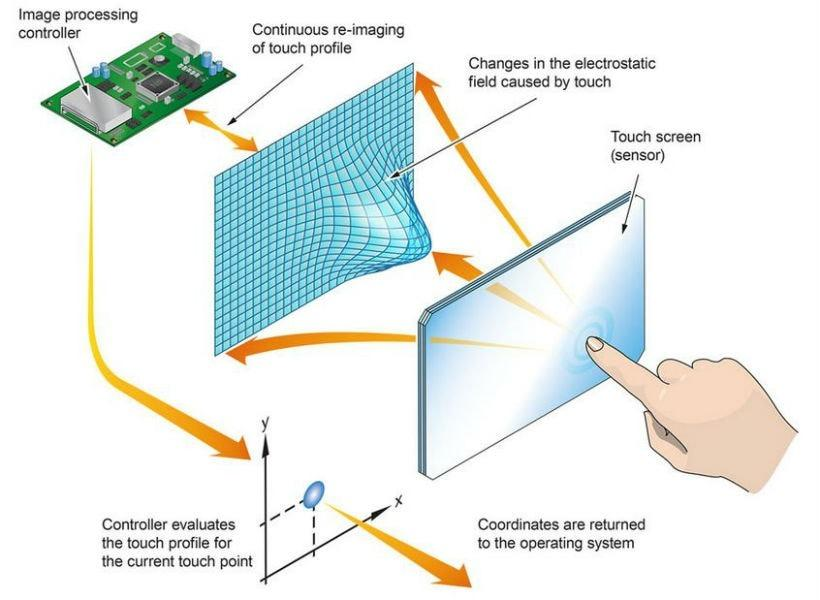
The rise of smartphones and tablets popularized multi-touch technology, enabling intuitive gestures like pinch-to-zoom, swipe, and drag.
Touch interaction became mainstream, embedding into daily routines—from communication and entertainment to mobile commerce and remote work.
Key impact: Bridged the digital divide, making advanced technology accessible to people of all ages and tech skill levels.
3. Modern Era: Intelligent Interaction & Industrial Expansion (2010s–Present)
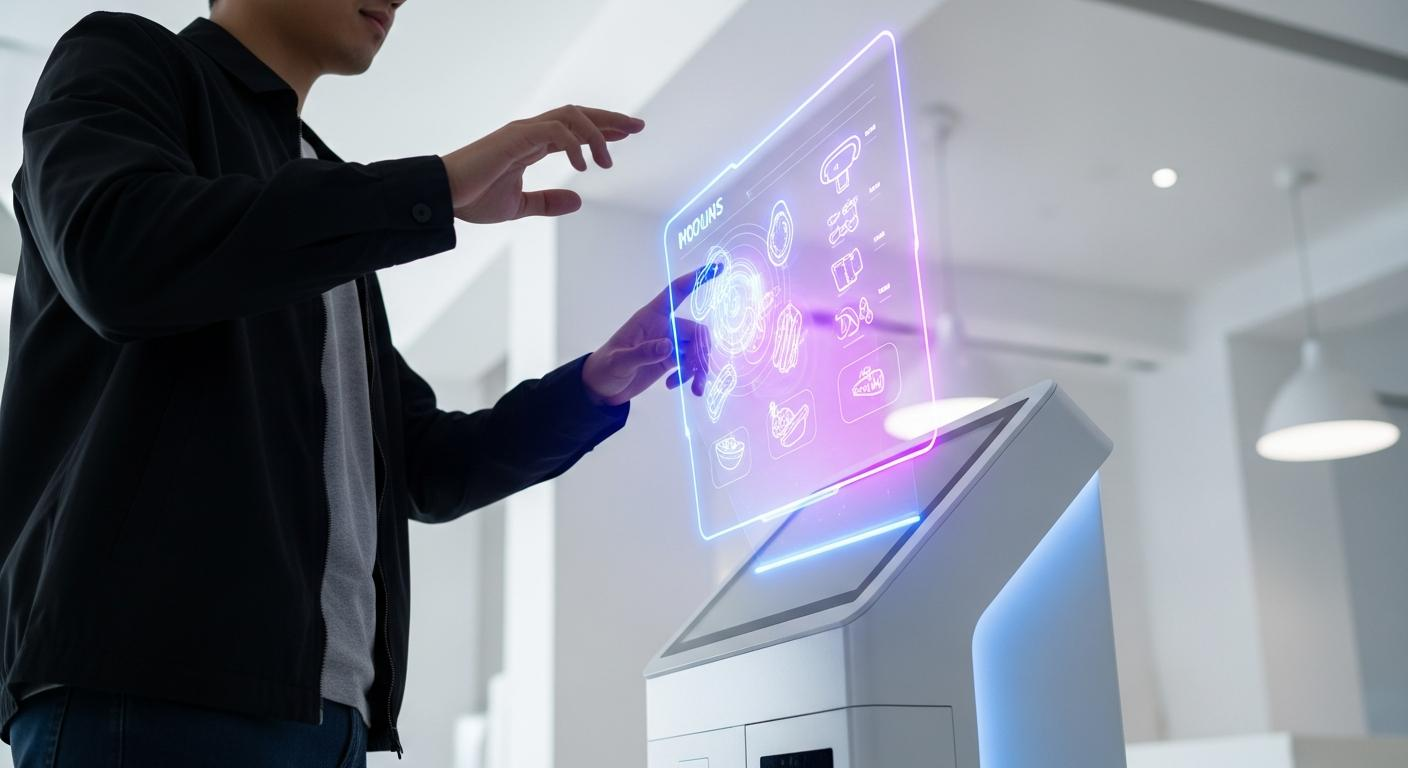
Integration with AI, IoT, and automation systems transforms touch into an intelligent interface, not just a basic input tool.
Industrial applications: Rugged touch screens and touch frames power smart factories, enabling real-time production monitoring and equipment control in harsh environments.
Commercial & public use: Touch-enabled devices streamline healthcare workflows, enhance interactive education, and optimize retail self-service experiences.
4. Future Outlook: Continuous Innovation
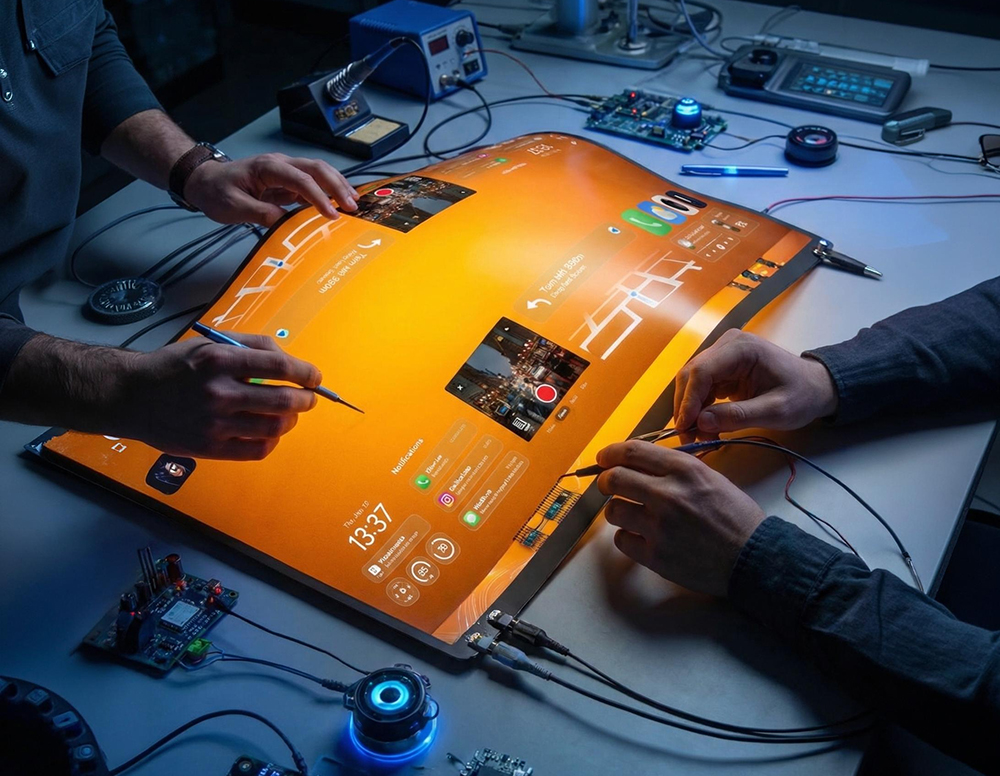
Ongoing advancements include flexible touch displays, haptic feedback, and AI-powered gesture recognition, expanding applications to VR/AR, wearables, and smart infrastructure.
Touch technology will remain a cornerstone of digital transformation, evolving to deliver more seamless, adaptive, and intelligent human-machine interactions.


